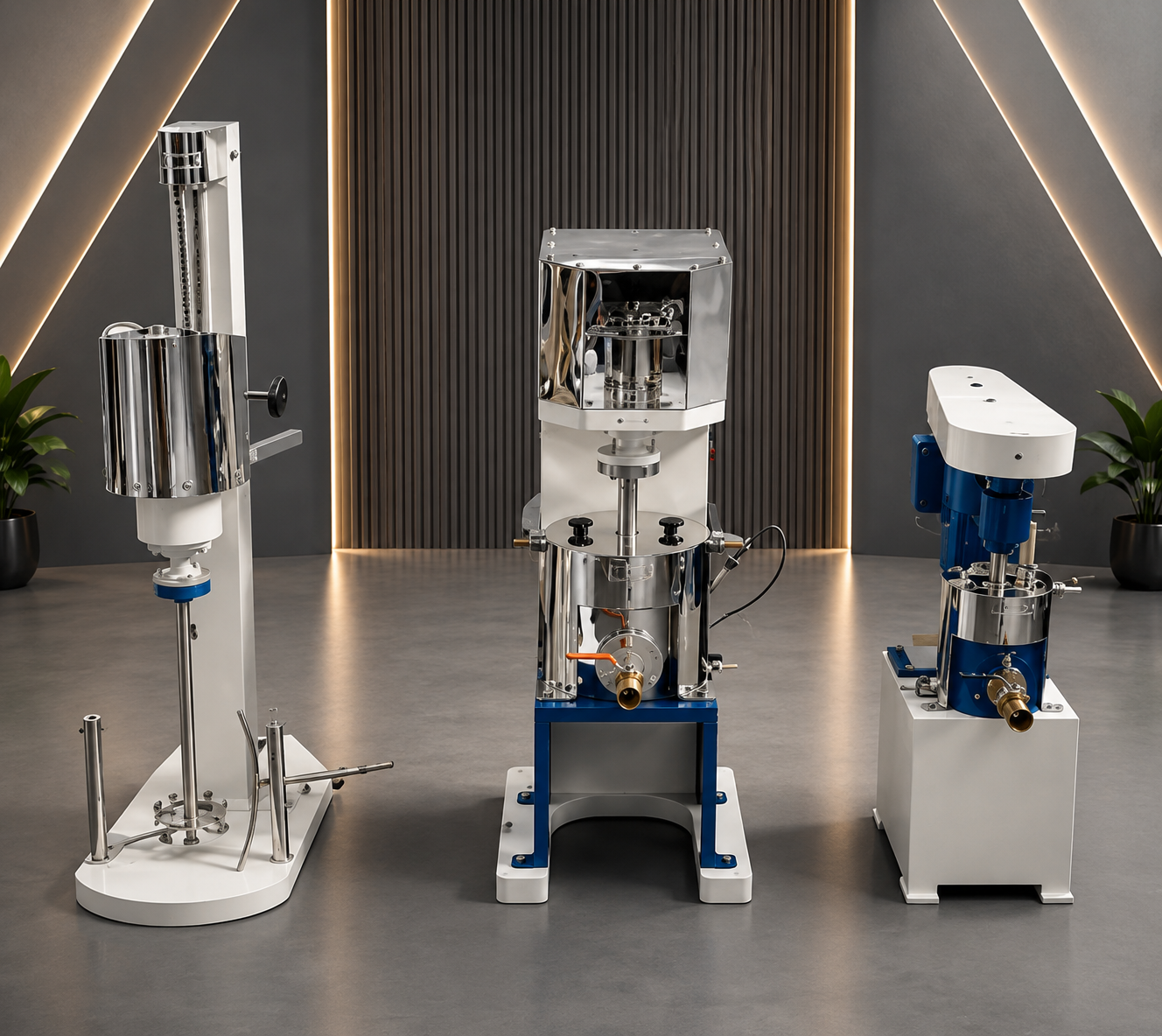
Selecting the ideal ball mill machine requires a thorough evaluation of your material properties and production goals. Start by identifying the hardness, abrasiveness, and moisture content of your feed material, as these directly influence the choice of grinding media and lining. Next, determine the required particle size distribution – finer powders demand longer grinding cycles or higher-energy mills. Consider the capacity: continuous ball mills are better for large-scale operations, while batch-type mills offer flexibility for smaller batches and diverse formulations. Energy efficiency is another critical factor; modern mills with variable-speed drives and advanced control systems can significantly reduce power consumption. Don't overlook the importance of maintenance access and wear-part availability. Finally, evaluate the total cost of ownership, including installation, operation, and spare parts. Consulting with experienced manufacturers like Laxmi Engineering ensures you get a tailored solution that maximizes productivity and return on investment.
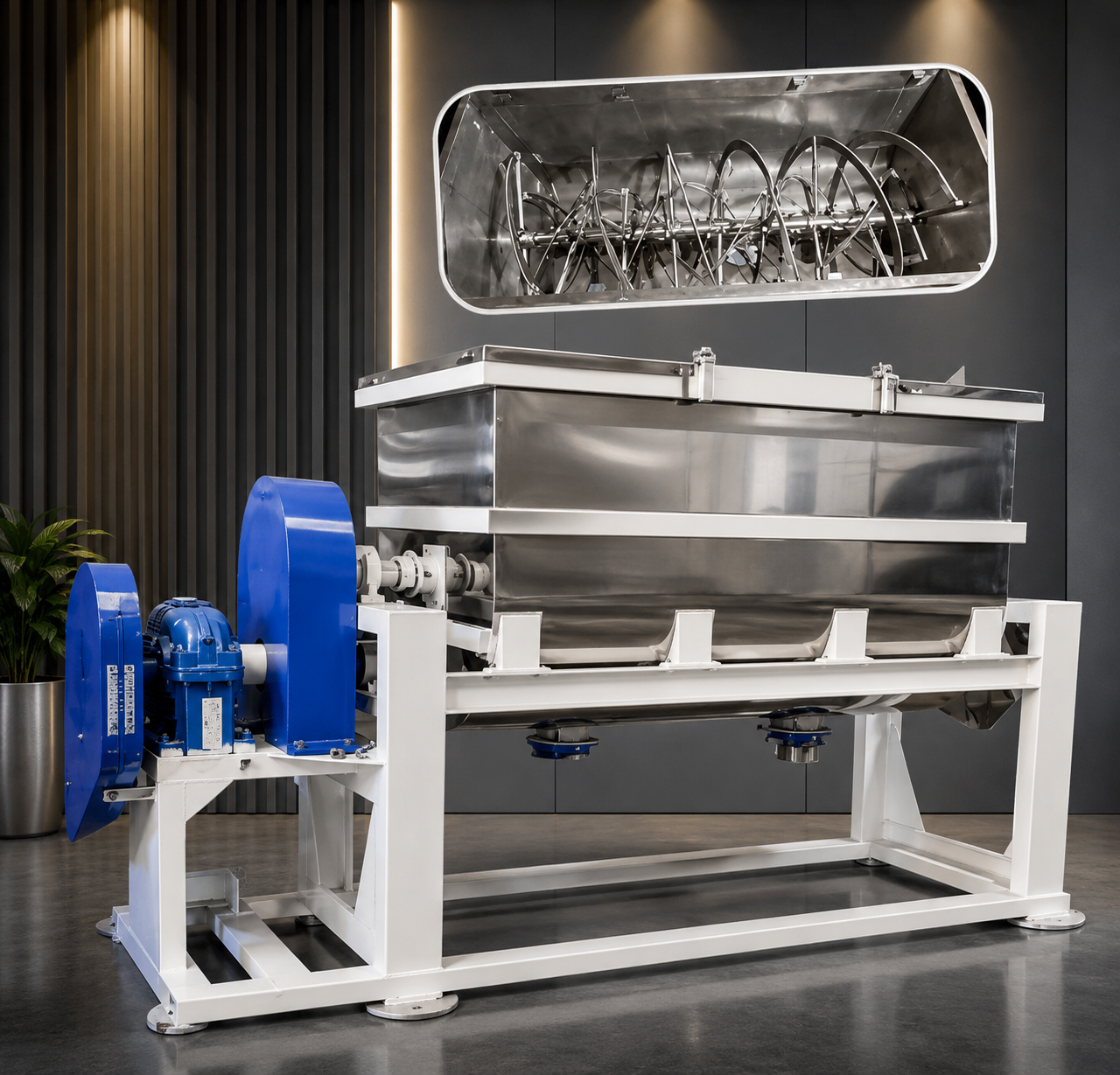
Ribbon blender mixers are indispensable in modern manufacturing for their exceptional blending efficiency and versatility. They excel at achieving homogeneous mixing of dry powders, granules, and pastes with minimal segregation. The unique ribbon agitator design creates both convective and shear mixing actions, ensuring uniform distribution of even minor ingredients. This results in consistent product quality, reduced batch variability, and enhanced production reliability. Furthermore, ribbon blenders are highly adaptable – they can handle a wide range of materials, from fragile flakes to abrasive minerals, with customized blade designs and coatings. Their low maintenance requirements, thanks to robust construction and easy-access inspection ports, translate to reduced downtime and lower operating costs. Energy efficiency is another key advantage; optimized drive systems and shorter mixing cycles help manufacturers achieve higher throughput without increasing power consumption. Whether you're in food processing, pharmaceuticals, or chemicals, a ribbon blender offers a cost-effective, reliable solution for your mixing needs.
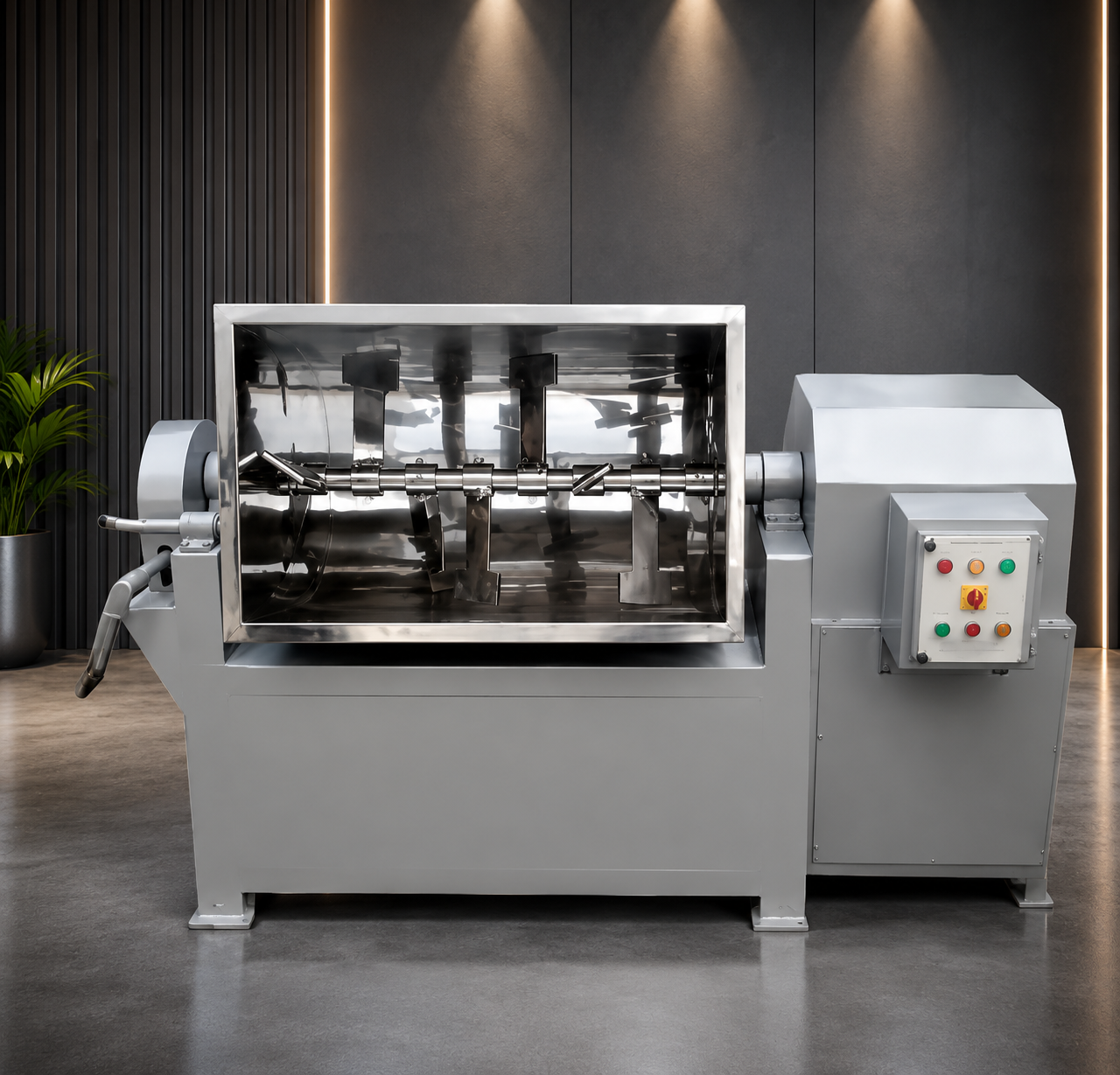
Regular maintenance is the cornerstone of reliable industrial machine performance and longevity. Start with a structured lubrication schedule – using the correct grade of oil or grease for bearings, gears, and moving parts prevents premature wear and reduces friction losses. Implement routine inspections: check for unusual vibrations, noises, or temperature rises, which are early indicators of potential issues. Replace wear parts such as blades, screens, and liners before they fail completely to avoid costly downtime. Keep the machine clean; accumulated dust and debris can insulate components, causing overheating and contamination. Calibrate sensors and control systems periodically to ensure accurate process parameters. Train operators to follow proper start-up and shutdown procedures, as improper operation can stress equipment. Finally, maintain detailed maintenance logs to track service history and predict future needs. By investing in a proactive maintenance program, you can extend equipment life, improve product quality, and achieve higher overall equipment effectiveness (OEE).
 +91-9205204218
 hariom.lax@gmail.com